eCommerce · Girona and across Spain
Online shop design in Girona to launch or improve your business.
We build and improve online shops for Girona businesses and brands across Spain. If you are starting out, we define the catalogue, design and purchasing steps; if you already sell, we review what makes it difficult to find your products or complete an order. We consider WooCommerce or Shopify based on your operations, costs and the independence your team needs.
What do you need to resolve in your shop?
Choose the situation closest to yours. First, we clarify the problem; then we agree the work and what you will receive.
01 · Prepare my shop
I have a product, but no shop yet
You need to know what is needed to start selling and what can wait.
What we review
The initial catalogue, variants, images, countries, delivery and who will handle orders. We identify outstanding materials and decisions before choosing a platform.
How we can help
We define a phased launch: priority products, structure, and the payments and shipping that need configuring. We consider WooCommerce or Shopify based on your operations and budget.
What you will receive
A shop map, materials checklist and launch plan with agreed tasks, responsibilities and scope.
Starting with a defined catalogue can make review easier. Registration and validation by payment providers also depend on their requirements; we do not open a shop without agreeing how orders will be handled.
02 · Organise the catalogue
My customers cannot find what they need
The products are there, but categories, search or filters make it difficult to find the right option.
What we review
Names, categories, variants, internal search, filters and mobile navigation. Where usage data is available, we compare it with specific tasks rather than inferring the cause from visitor numbers alone.
How we can help
We propose a clear structure and prioritise changes to categories, names and filters. Before adding features, we test how someone would find a real product.
What you will receive
Proposed categories and attributes, a list of changes and a test journey using the agreed products.
Illustrative example: for a spare part, checking compatibility may matter more than creating many similar categories. This is not a test carried out on the visitor’s shop.
03 · Improve product pages
They reach the product, but still have questions
Someone sees the product but does not know whether it suits them, which variant to choose or when it will arrive.
What we review
Available information, images, dimensions, variants, availability, price and delivery terms. We also review questions received by customer support.
How we can help
We organise information to help customers decide and prioritise missing photographs, copy and content. We agree which product pages will be worked on and what each party must provide.
What you will receive
A product page template, content and image outline, and the included changes for the selected products.
A modern product page does not, by itself, demonstrate a higher conversion rate. We check changes against the available data and do not invent reviews, features or delivery terms.
04 · Review the basket and checkout
They add to the basket but do not complete the purchase
You want to understand whether questions, unexpected costs or errors arise between choosing a product and confirming the order.
What we review
Available journey data, shipping costs and times, forms, payment methods and error messages. We distinguish abandonment from a technical fault; not every basket without an order has the same cause.
How we can help
We prioritise friction points and agree changes to the purchasing process. We review the mobile journey and the connections involved, using an authorised testing procedure.
What you will receive
A step-by-step diagnosis, prioritised changes and a checklist for before and after publication.
Illustrative example: showing delivery costs earlier can prevent a surprise at checkout. A test order or charge is only made if we agree it; we do not attribute another business’s abandonment rate to your shop.
05 · Coordinate channels and orders
I sell in several places and things get disorganised
The shop, Amazon or other channels do not share the same priorities, making stock and orders difficult to track.
What we review
Where products, stock and orders are recorded, who updates each item of data and which connections exist. We identify duplicated tasks and the limits of current tools.
How we can help
We define responsibilities and a clear way of working. We consider specific integrations where useful, checking compatibility and scope before promising automation.
What you will receive
A channel and order-flow map, assigned tasks and a proposal for justified connections and checks.
The corporate website, SVP Game and the client’s tools are separate projects. Mentioning a connection does not mean it is available; Amazon has a dedicated service with its own scope.
06 · Understand costs and priorities
There are sales, but I am unsure about the margin
Revenue alone does not show which products or actions deserve more attention.
What we review
Product costs, fees, advertising, shipping, returns and the data you can provide. We make missing data and the periods being compared explicit.
How we can help
We organise an operational view of costs and priorities by product or channel. We separate sales, investment and available costs before proposing more advertising or a larger catalogue.
What you will receive
A breakdown of the costs considered, a view of margin with its limitations, and agreed improvement priorities.
We do not promise a profit or present this review as certified accounting. Amounts and conclusions depend on the quality and scope of the data shared.
What we can implement following the diagnosis
An easy-to-browse catalogue
We group products into clear categories and review filters such as size, colour, dimensions or other features that help customers choose. The aim is to help shoppers find the right product without getting lost.
Product pages
We review the name, description and images of each product included in the project. We aim to answer questions that hold up a purchase: what it is, what it is for, its features and what the customer receives.
Shopping experience
We go through the shop as a customer would: finding a product, adding it to the basket and reaching checkout. We review confusing or unnecessary steps and the improvements your platform supports.
Shop SEO
We work on category and product pages so Google can understand what you sell and show them in relevant searches. We review titles, links and technical issues that make the shop difficult to find.
Campaigns and measurement
We review how many people visit the shop, how many buy and the value of their orders, using the available data. We distinguish revenue from the margin remaining after costs.
Sales channels
We consider how your shop, Amazon and advertising complement each other. If you need to connect the catalogue to another tool or sales channel, we first check what it supports and the work required.
From the starting point to publication
01 · Understand the business and catalogue
We review what you sell, where you want to sell and which tool you use to manage the shop. If there are already orders, the data helps us understand the shopper’s journey and what deserves attention.
02 · Organise the priorities
We agree what should come first and what you will receive at each stage. We clarify which products and pages will be worked on, and the information, images or decisions we need from you.
03 · Implement and review
We prepare changes in a test copy and review the affected purchasing steps before publishing them. We then check progress against the available data to decide what needs adjusting.
A clear scope before we start
The proposal details the platform, included products and pages, the changes you will receive and how we will review them with you. It also sets out the materials you need to provide. Photography, translation, advertising, platform fees and connections to other tools are identified separately where applicable.
Frequently asked questions
Do I need to change platform?
Not necessarily. First, we review whether your current shop can meet your needs and what improving it would involve. If migration makes sense, we inventory current products, categories, images and URLs, then plan which links to retain and which redirects are needed. Before publication, we review the purchasing journey and available tracking. A migration requires checks: we do not promise to preserve every Google ranking.
Do you also work with Amazon?
Yes. We review catalogues, product pages and advertising on Amazon through our dedicated service. An independent shop and Amazon have different needs; we agree which channel we will work on.
Can you guarantee that I will sell more?
We do not guarantee a sales volume. We work with objectives, priorities and measurement, taking product, price, competition, resources and operations into account.
Do you have experience with your own products?
Yes. Consolas Retro NG is our own website and ecommerce project. You can see its background and the work carried out, and explore our brands. This experience helps us plan catalogues, customer support and operations; we do not present it as an external client testimonial or a guarantee of sales.
What do you need to build my online shop?
We start with the products you want to sell, their variants and prices, and the available photographs and copy. We also define shipping areas, payment methods and who will manage orders and stock. If materials are missing, the proposal separates their preparation from development. We can agree an initial catalogue and expand in phases rather than delaying everything for features you do not yet need.
WooCommerce or Shopify: which suits me?
We do not choose based only on the shop’s appearance. We review how you will edit products and orders, the features you need, and platform, hosting, maintenance and extension costs. If you already use WordPress, we consider building on it with WooCommerce; if you are considering Shopify, we review its plans and apps before deciding. The proposal identifies the licences and integrations needed and who handles each part.
How much does an online shop cost and how long does it take?
It depends on the number of products and variants, available materials and connections to payments, shipping or other tools. Before starting, we agree phases, deliverables, responsibilities and budget. Timescales are confirmed once the catalogue and dependencies are defined; fees, licences and advertising are identified separately where applicable. You do not need to commission every feature at once.
Connecting the service with the rest of your business
Web design with SEO · Visibility on Google · Amazon services · Online advertising · Explore our SVP Game shop
Tell us where you are starting from
Share your shop’s link, if it already exists, the type of products you sell and your main difficulty. We can then assess the next step and the information needed for a proposal.
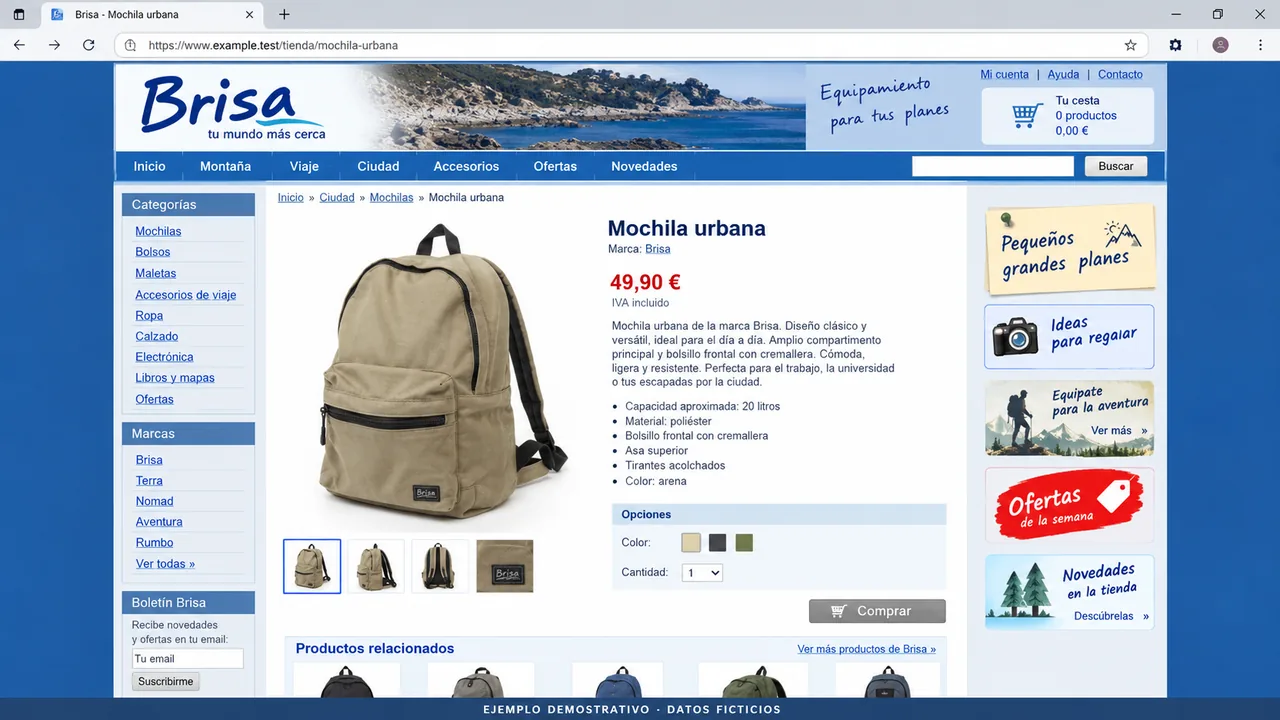
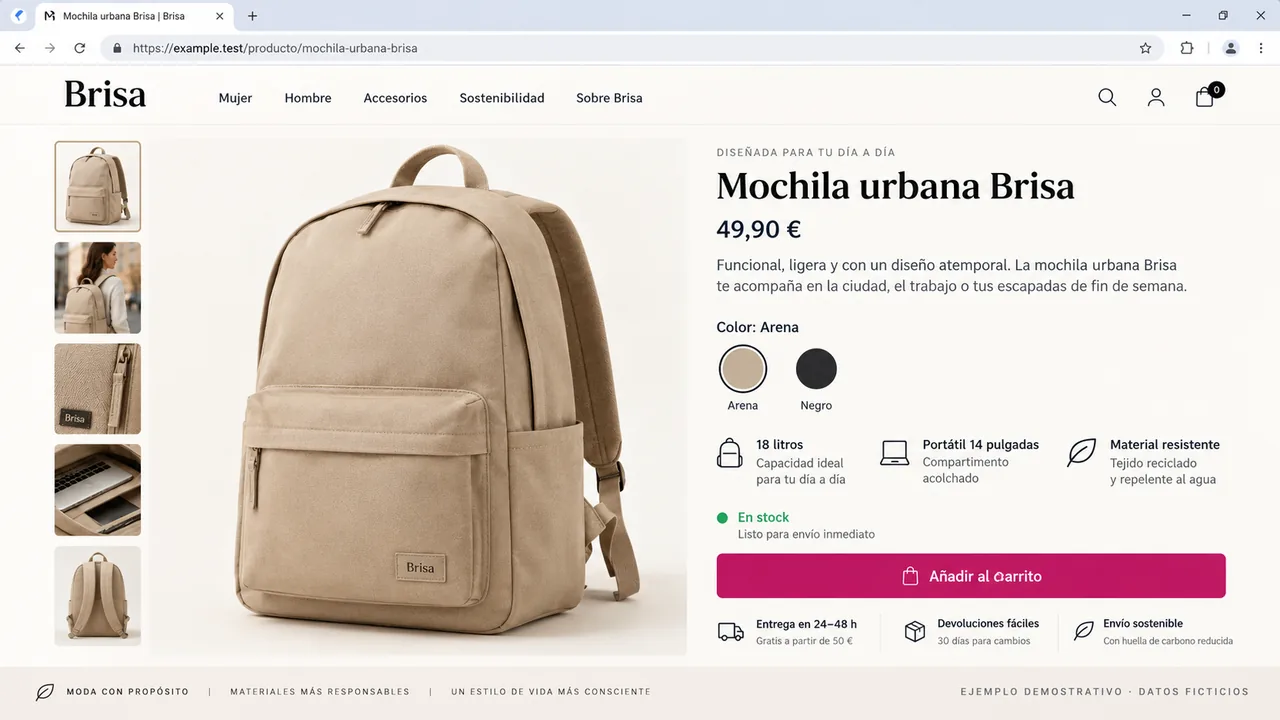
See the difference at a glance Compare two screenshot-style examples with Spanish text. These are generated images with simulated interfaces and data, not actual client screenshots or guaranteed results. Drag the vertical bar or use the arrow keys to compare. Avoid · Obstacles to purchasing Improve · Information before checkout An issue worth reviewing. Show costs and terms in advance. An issue worth reviewing. Identify size, colour and availability. An issue worth reviewing. Prioritise the next action. The diagnosis depends on your business, the data and the agreed scope. A visual improvement alone does not guarantee more sales or higher rankings. What is included and how we organise it The shop needs to help people choose, buy and manage orders. Before adding features, we review how you handle products, payments, shipping and stock. It depends on the catalogue, variants, product uploads, markets and connections to other tools. We define the catalogue and operations first, then build and check purchasing journeys. Payment provider registration or integrations can introduce dependencies. WooCommerce and Shopify meet different needs. We compare editing, recurring costs, extensions, integrations and your team’s independence; we do not choose based on the number of features. Included with every service The standard version of SVP Pro is included with every service you contract with SVP Formats. Access your project resources from your desktop or mobile browser: invoices, statistics, plans, materials, sessions and documentation. Apps for iOS, Android, macOS and Windows are under development. Your workspace is organised around your service and the materials available. Experience and people Projects related to this area of work. Each case explains its scope, and our own projects are clearly identified. The area coordinating the service Catalogue, shopping experience and coordination with sales channels. We are a team of 8. Your point of contact and responsibilities are set out in your proposal.From product to basket, without doubts
A gallery of issues we can review
Shipping costs revealed at the end
The selected variant is unclear
The buy button is lost among distractions
A shop ready for sales and operations


What determines the budget
How we agree timescales
How to compare proposals
SVP Pro: your project in one place
Meet the work and people behind the service

eCommerce and technology